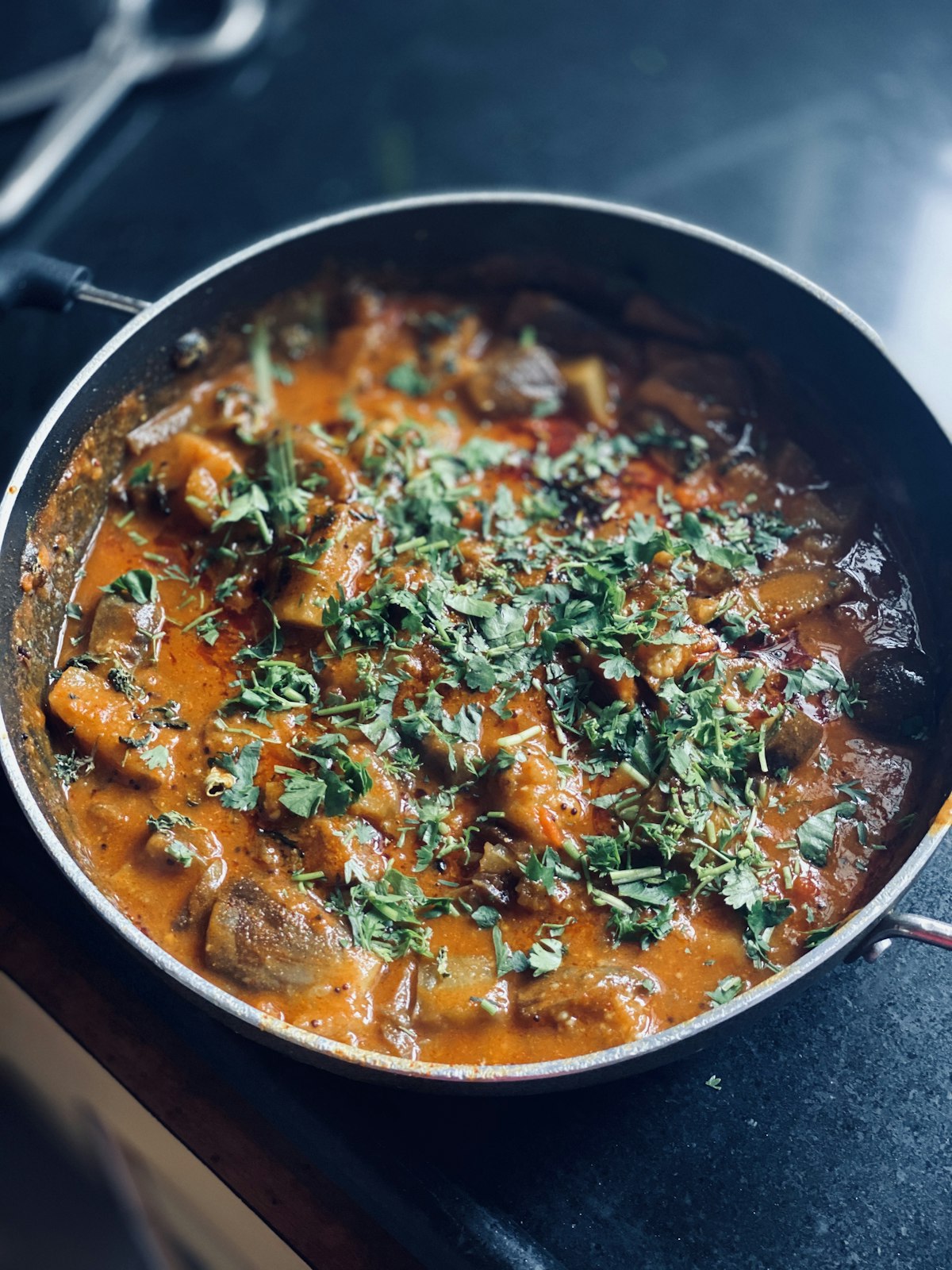
Sri Lanka might be one of Asia's most underrated food destinations. The island's cuisine is complex, spicy, deeply flavored, and unlike anything you'll find in neighboring India or Southeast Asia. Here's everything you need to know before your first meal.
What Makes Sri Lankan Food Unique?
Three things define Sri Lankan cuisine:
- Coconut: Fresh coconut appears in almost everything — grated in sambols, pressed into milk for curries, mixed into hoppers batter, and squeezed over string hoppers.
- Spice blends: Sri Lankan curry powder (roasted and raw), pandan leaves, curry leaves, rampe (pandan), and Maldive fish (dried tuna) create flavors that are deeply aromatic and layered.
- Accompaniments: A Sri Lankan meal isn't one dish — it's a spread. A typical rice and curry comes with 5-12 different dishes: a main curry, dhal, 2-3 vegetable preparations, sambols, pickles, and papadum.
The Essential Dishes
Rice & Curry
The national meal. Don't expect what you've had at "Sri Lankan restaurants" abroad — the real thing is a banquet. Steamed or red rice surrounded by an array of dishes, each with distinct flavors. Ask for "local rice and curry" at any small restaurant and prepare to be amazed. Budget: $2-4 at a local spot.
Hoppers (Appa)
Crispy, bowl-shaped pancakes made from fermented rice flour and coconut milk. The egg hopper — with a soft egg baked into the center — is iconic. Best eaten for dinner. Pair with lunu miris (a spicy onion relish). Budget: $0.50-1 per hopper.
String Hoppers (Idiyappa)
Delicate nests of steamed rice noodles, typically eaten for breakfast. Served with three sambols — coconut, pol sambol, and kiri hodi (coconut milk gravy). Light, fragrant, and addictive.
Kottu Roti
Sri Lanka's street food champion — chopped roti stir-fried with vegetables, egg, cheese, or meat on a hot griddle. The rhythmic chopping sound of two metal blades is the soundtrack of Sri Lankan evenings. Budget: $1-2.
Pol Sambol
Freshly grated coconut mixed with chili flakes, onion, lime juice, and Maldive fish. It accompanies almost every meal and adds a burst of flavor to rice, hoppers, or bread. Fiery but irresistible.
Lamprais
A Dutch Burgher heritage dish — rice, meat curry, egg curry, seeni sambol, frikkadels (meatballs), and ash plantain curry, all wrapped in a banana leaf and baked. A labor of love — available on Fridays/Saturdays at most bakeries.
Wambatu Moju (Eggplant Pickle)
Caramelized eggplant pickle — sweet, sour, spicy, and umami all at once. One of those dishes you'll try to recreate at home and never quite get right.
Kiribath (Milk Rice)
Rice cooked in thick coconut milk until creamy and set. Traditionally served on the first day of each month and during celebrations. Eaten with lunu miris for breakfast.
Don't-Miss Experiences
- Colombo street food tour: Kottu roti, isso wade, short eats, and "bun & cheese" from a 70-year-old bakery
- Home cooking class: Learn to make dhal curry, coconut sambol, and pol roti in a real Sri Lankan kitchen
- Village breakfast: Hoppers and string hoppers at dawn, prepared by a local family
- Seafood on the beach: Fresh grilled fish, crab curry, and prawns at a beachside restaurant in Mirissa or Negombo
- Jaffna cuisine: Completely different from the south — try Jaffna crab curry and kool (seafood broth)
Practical Tips
- Spice levels: Sri Lankan food is spicy by default, but you can always ask for "less spicy" (kamak daa). We brief restaurants in advance.
- Vegetarian friendly: Sri Lanka is one of the best countries in the world for vegetarians. Most rice and curry spreads are 80% vegetarian.
- Water: Stick to bottled water. Avoid ice at small roadside stalls (hotels are usually fine).
- Don't skip the "short eats": Bakeries sell savory pastries (rolls, patties, cutlets) that are perfect for snacking. Budget: $0.25-0.50 each.
- Eat with your hands: It's traditional and it tastes better. Use your right hand only. Don't worry — everyone's happy to show you how.
Want to Eat Like a Local?
We'll take you beyond hotel buffets — into homes, markets, and street stalls where the real flavors live.
Design My Food Trip →